


Where the Canvas Is Still Blank
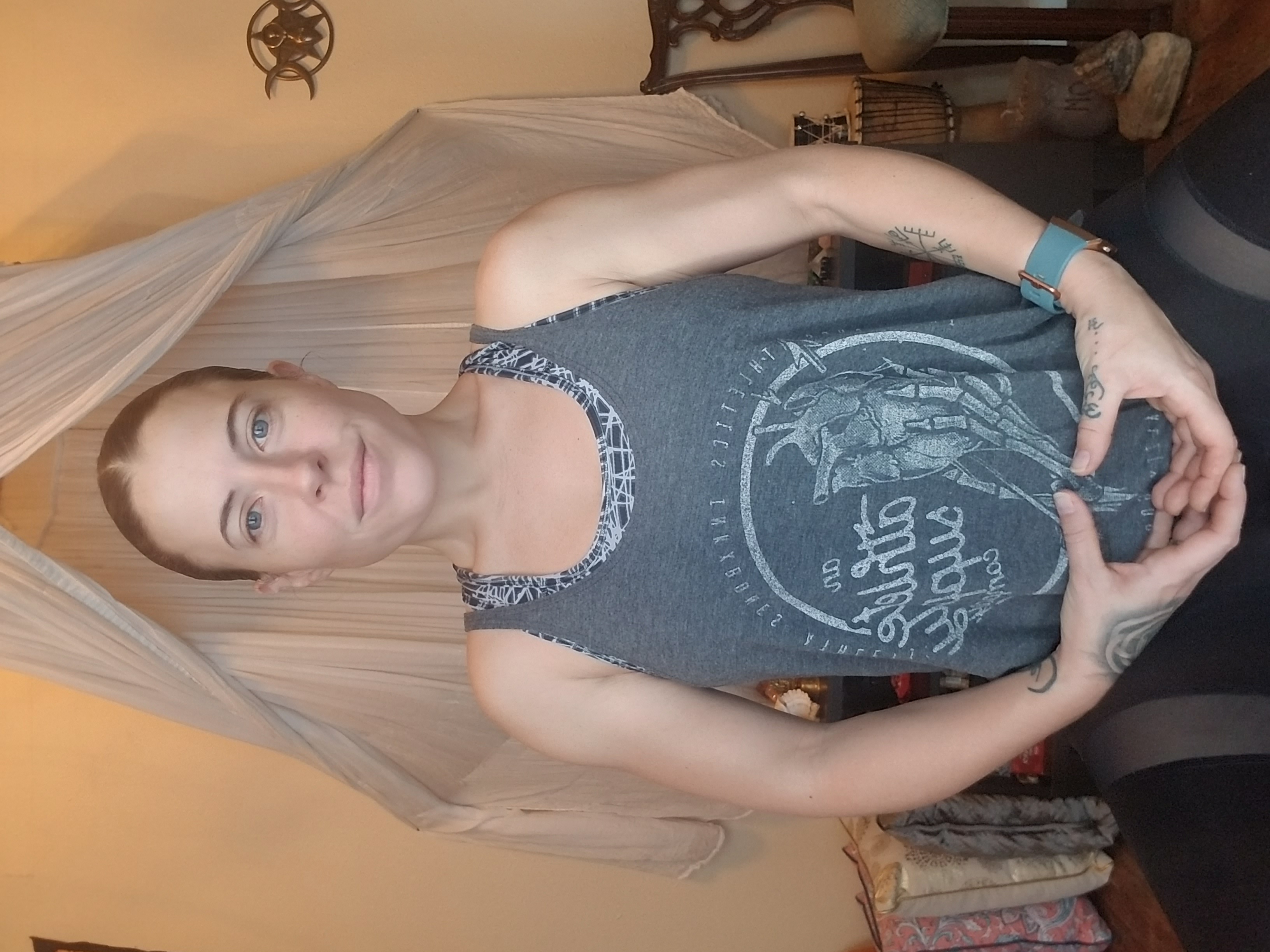
Control creates the very bindings we struggle to escape. Only when we stop tightening our grip does the deeper movement of allowance and acceptance begin to emerge. We shape our experience through perception, yet reality itself must reveal what is truly Real. In this space of letting be, the mind settles, and awareness returns to its natural state.
Yoga Sutra 1.2
योगश्चित्तवृत्तिनिरोधः
Yogaś-citta-vṛtti-nirodhaḥ
yogah: Yoga
citta: Thouhts, that which is unchangeable
vṛtti: A fluctuation of the mind
nirodhaḥ: To control, to let be
“The absolute expression of letting go is and will always be effortless” (trip aum shanti)
I believe acceptance is a good word choice here. We build a life that we think others will admire, but it is cookie cutter. We act a certain way, obtain certain things, and mold ourselves to fit into a formulation of what we think is acceptable. Yet beneath that pattern there is a deeper truth. What we rarely understand is that we are meant to break free from this constructed form and move naturally, the way nature moves, without clinging to identity or image.
Like Bruce Lee describes water, no matter the journey, water takes shape and form to move wherever it needs to go. It does not question. It does not resist. It shifts, turns, and finds its way through cracks, through the world, without difficulty or argument. Water becomes a living metaphor for nonresistance and pure presence. There is no fight with the ego or with others when we let go of the story. There is only acceptance of what is, a direct encounter with the True Reality. What is actually real, not the projections we create in the mind, not the storyline we insist on carrying.
No matter how we paint the canvas, underneath all the paint it is still blank. We can paint it over and over again, yet its ultimate reality remains untouched. It is blank, it is empty, it is open. This aligns with the Vajrayana Buddhist teachings of emptiness and form, the interplay of the manifest and the unmanifest, the Yin and the Yang. It is the recognition that what appears solid is never truly fixed, and what appears empty is the ground of all potential.
Here again in this verse: if we try to control the form, it becomes bound. When we allow it to be empty, it can spontaneously take many shapes and, through that freedom, come to understand its own essence. True liberation is not found in tightening our grip but in releasing it. As Trip Aum Shanti says, “Many translations suggest that nirodhah is control, or restraint against our thought processes. But a better word is allowance because our purest state of mind is as natural as a flower finding its way through a crack in the sidewalk.” This is the heart of contemplative practice, the recognition that awareness does not need to force anything. It simply allows.
You are a blank canvas with many previous imprints, but when the paint washes away, when the narrative dissolves, there you sit. Still blank. Still empty. Still in the knowing that you are everything and nothing. This recognition brings us closer to Absolute Truth, aligning us with the Supramental Intelligence and opening the doorway to the realization I Am That.


Comments